Soft Summer hair color is often described with words that sound prettier than they are useful: smoky, dusty, soft, cool. The practical question is harder. How do you choose a muted shade that works with low-contrast colouring without ending up with grey-looking hair or a colour that vanishes in every indoor photo? The answer is usually in the balance between softness, depth, and a little controlled light.
Start with the kind of softness you already have
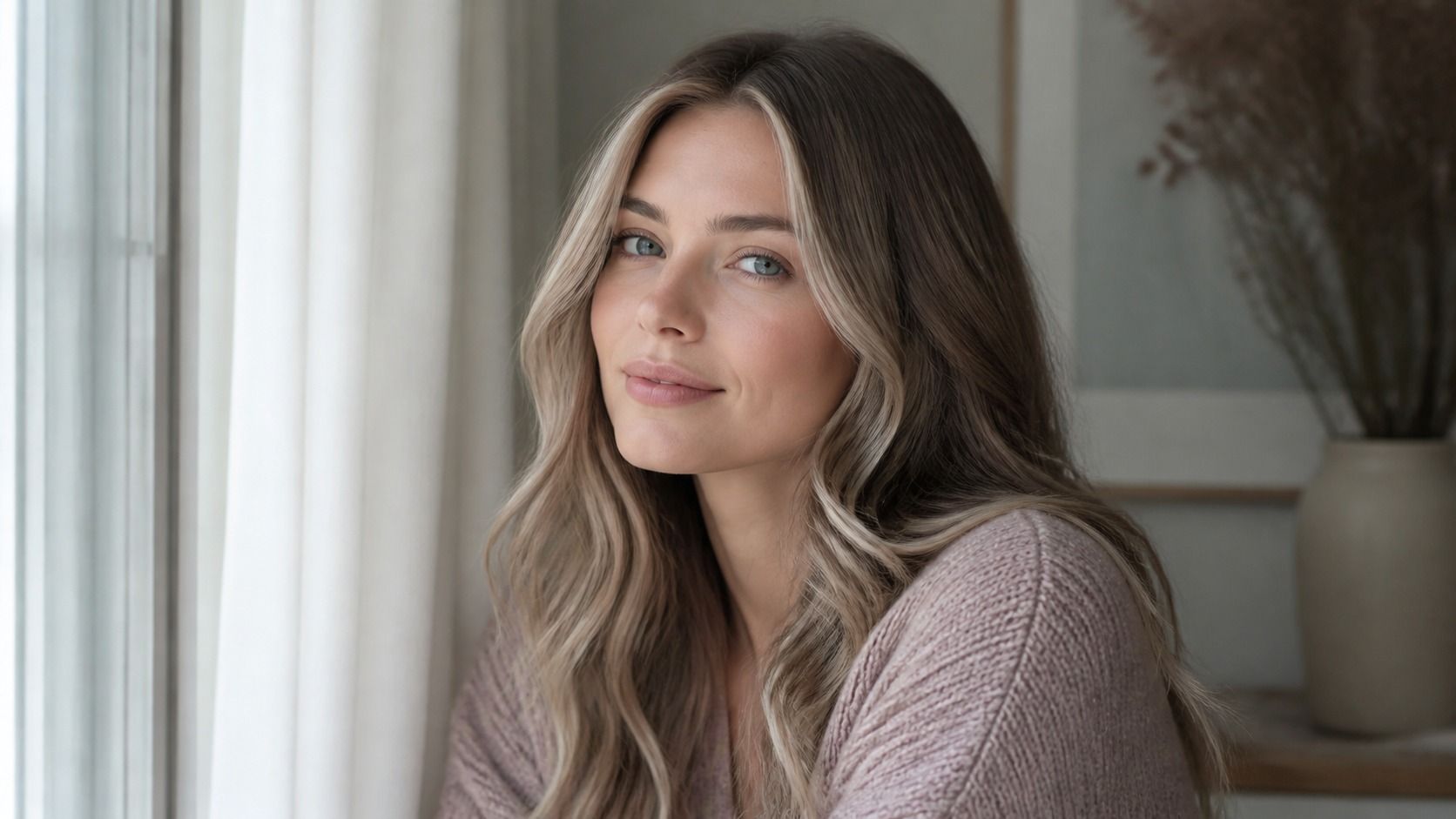
Soft Summer usually points to colouring that does not shout: grey-blue, grey-green, or gentle hazel eyes; skin that reads cool-neutral or softly rosy; hair that sits somewhere between ash blonde and muted brown. But people are not paint charts. A person with darker natural hair may still prefer the same quiet temperature as somebody with dark blonde roots. Look at the overall impression in a daylight photo rather than trying to prove a label.
Choose softness before extreme ash
The fear of warmth sends many people toward the coolest shade name on the swatch book. That is how a soft summer hair color can become harsh or oddly green. Pure ash has very little warmth, but it also has a firm grey cast. On some faces it looks elegant; on others, especially with natural pink or olive tones, it makes the skin look tired. A smoky beige or taupe usually leaves more room for the complexion to stay alive.
Put an ash brown swatch beside a mushroom brown and a neutral medium brown. The best choice often sits between the first two, not at either extreme. Look at the area around the mouth and under the eyes. If a colour makes those shadows deeper, it may be too cool or too dark even when it agrees with the seasonal description. A salon mirror can disguise this under warm lamps, so ask to see a hand mirror near daylight if that is possible.
Pick a brunette, blonde or red-leaning direction
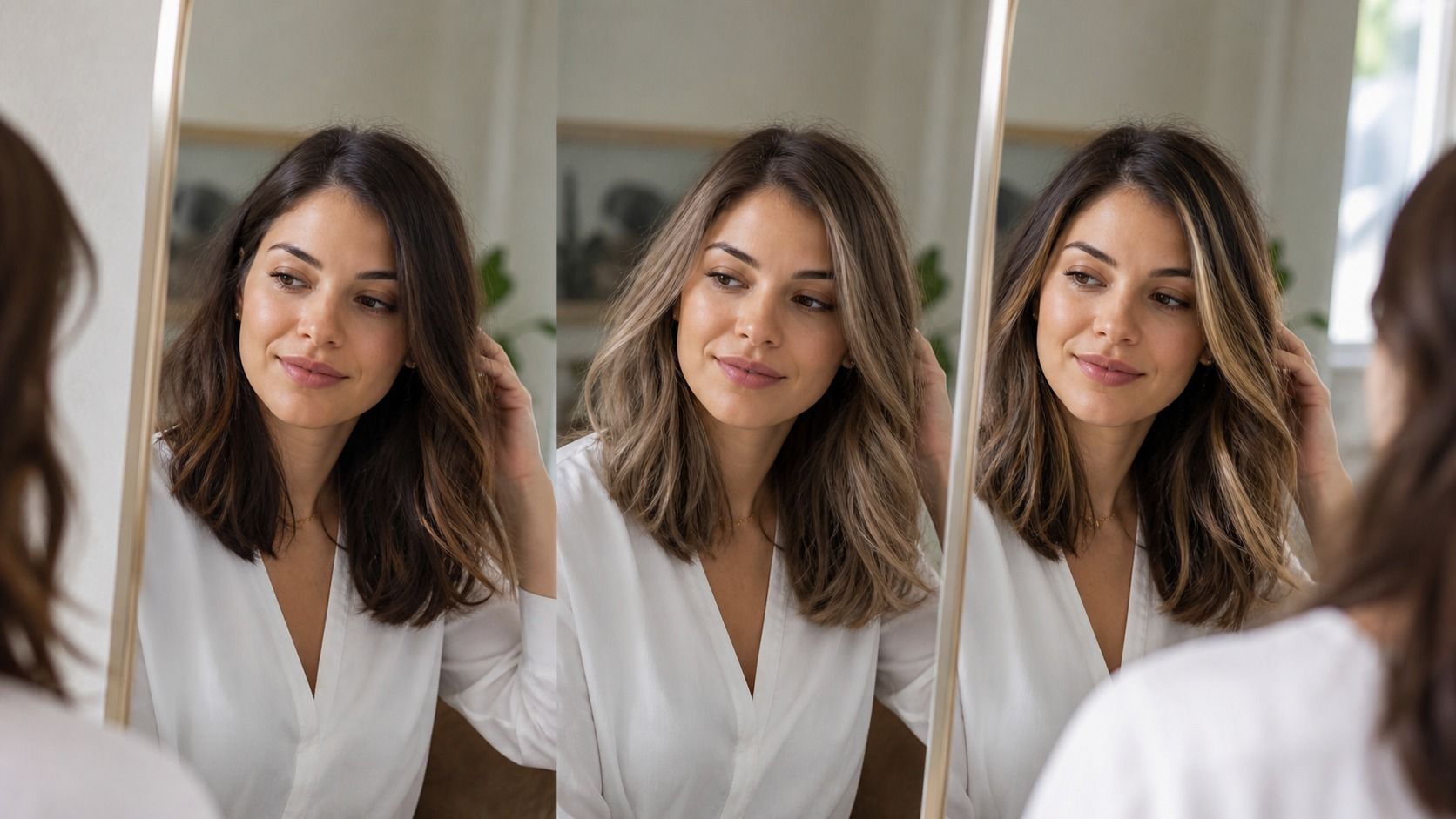
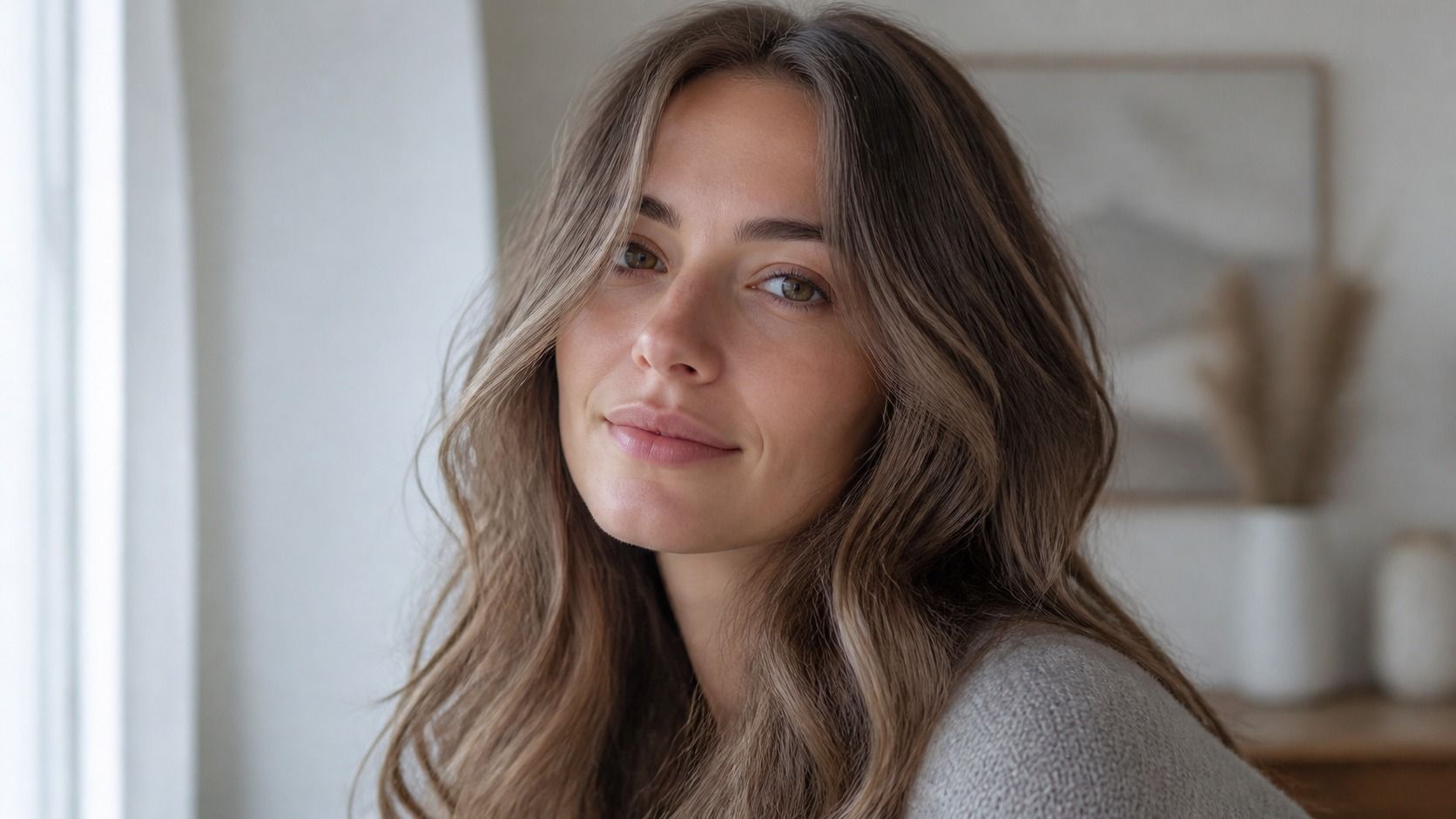
For brunettes, muted medium ash brown, soft mocha, mushroom brown, and cool cocoa are dependable starting points. They keep depth without the red-orange shine that can make subtle colouring look overwhelmed. A root shadow in a close neutral shade helps if you are adding lighter pieces. It also makes the grow-out less severe, which matters more than the first-day photo for anyone who does not visit the salon every month.
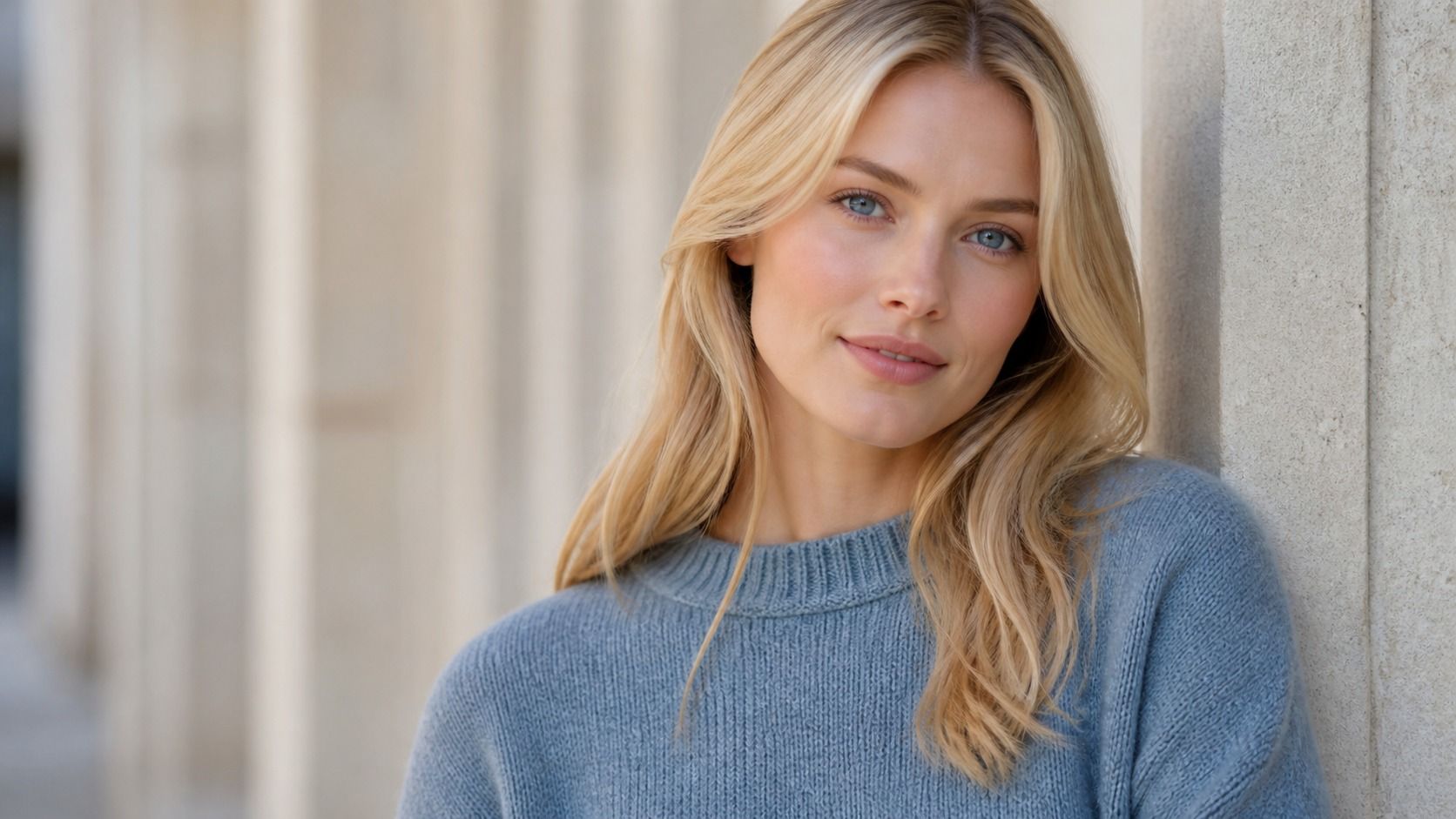
For blondes, think dark ash blonde, smoky beige, mushroom blonde, or a beige-taupe blend. Platinum is usually more contrast than this palette needs, while sunny gold can pull attention away from the eyes. The nicest results often have a slightly deeper base and lightness through the middle lengths, as if the colour has been worn rather than painted on. That sounds vague until you compare it with stripes that start at the scalp. The difference is obvious.
Red is possible, just keep it restrained. A muted rose brown, cool auburn-brown, or soft cinnamon can work better than clear copper. In a try-on, compare the shade against a favourite grey, denim, or dusty blue top. If the hair turns the clothing flat and the face yellow, it is probably too warm. If it makes the face vanish, the problem may be depth rather than the red note itself.
| Direction | Often easier to wear | Common problem |
|---|---|---|
| Brunette | Mushroom brown, cool cocoa, muted ash brown | Near-black makes soft brows disappear |
| Blonde | Smoky beige, dark ash blonde, soft taupe ribbons | Too much pale ash can look grey or green |
| Red-leaning | Rose brown, muted cinnamon, cool auburn-brown | Bright copper can overpower the complexion |
| Highlights | Fine blended beige or taupe pieces | Strong gold stripes raise contrast too much |
Ask for blended light near the face
Highlights are where a subtle palette can either look polished or suddenly look like a different person. I would avoid thick, evenly spaced ribbons unless your natural contrast is stronger than average. Fine pieces woven through the front, with some left darker at the root, are easier on a muted face. They create movement without outlining every section of the haircut.
Placement matters as much as the toner. A bright stripe at the temple can pull the eye down to redness or texture in the skin. A softer piece set a little behind the hairline often gives the same lift with less noise. Ask the colourist to show you the front in ordinary light before deciding it needs more brightness. The instinct to add “just one more” highlight is usually what takes a quiet beige blend into obvious contrast.
Spot the moment a shade has gone too far
Too warm is not always orange. It can show up as a buttery band around the face, an unexpected yellow cast in photos, or the sense that your usual silver jewellery now looks separate from the rest of you. Too dark often arrives as a strong outline at the forehead and deeper shadows under the eyes. Too bright is easier to spot: you notice the hair before you notice the expression.
Take a photo in cool daylight wearing no dramatic lip colour, then repeat it in your usual clothes. If a shade only works with full makeup and a specific top, it may be asking too much from daily life. A more muted version of the same idea is often enough. You do not have to retreat to your natural colour; you just need to keep the colour from doing all the talking.
Build maintenance into the choice
A muted cool tone does not stay exactly the way it leaves the salon. Lightened hair can reveal warmth as toner fades, especially around the face and on porous ends. That does not mean every Soft Summer result requires constant purple shampoo and emergency toning. It does mean a low-maintenance plan should include a base close to the natural root and highlights fine enough that a little warmth will read as softness, not as a mistake.
Before the appointment, decide what you will realistically maintain. If you can return every eight to ten weeks, a root shadow and blended beige highlights may suit you. If appointments are rare, choose a muted brunette gloss or subtle lowlights that grow out without a hard line. The best hair color for soft summer is not necessarily the coolest swatch. It is the shade that still looks calm and believable after rain, office lighting, a few washes, and a hurried morning in front of the hallway mirror.
Use the seasonal label as a filter, not a cage
Seasonal colour language can be useful because it gives names to a familiar reaction: some colours make the face look smooth, others make it look separate. It becomes unhelpful when it bans every warm note or insists that all Soft Summers must be blonde. Your natural depth, current colour history, brow strength, and taste matter just as much.
Bring a small collection of references, but include one image of yourself in daylight. Ask for a muted, cool-neutral result at a depth that still belongs with your brows. Then give the result a week before judging it. Soft summer hair colors are at their best when they feel quietly right, not when they announce the season before you have said hello.