There is no single best hair color for Soft Summer, which is mildly annoying when you want a simple answer before booking the salon. The more useful answer starts with what is already on your head: your natural depth, the warmth left in old colour, and how much contrast your brows and eyes create. Soft Summer usually suits colours that look cool or cool-neutral and gently muted, but “muted” should not become grey, dull, or strangely dark. The aim is a shade that lets your face keep its own detail.
Choose a starting point based on your natural depth
Before looking at hair colour names, inspect the new growth at the temples and parting in daylight. That small strip is more reliable than the faded lengths. A person with a level-five brown base has a different practical route from someone whose natural hair is a level-seven dark blonde, even when both have a Soft Summer palette.
When mushroom brown is the easier choice
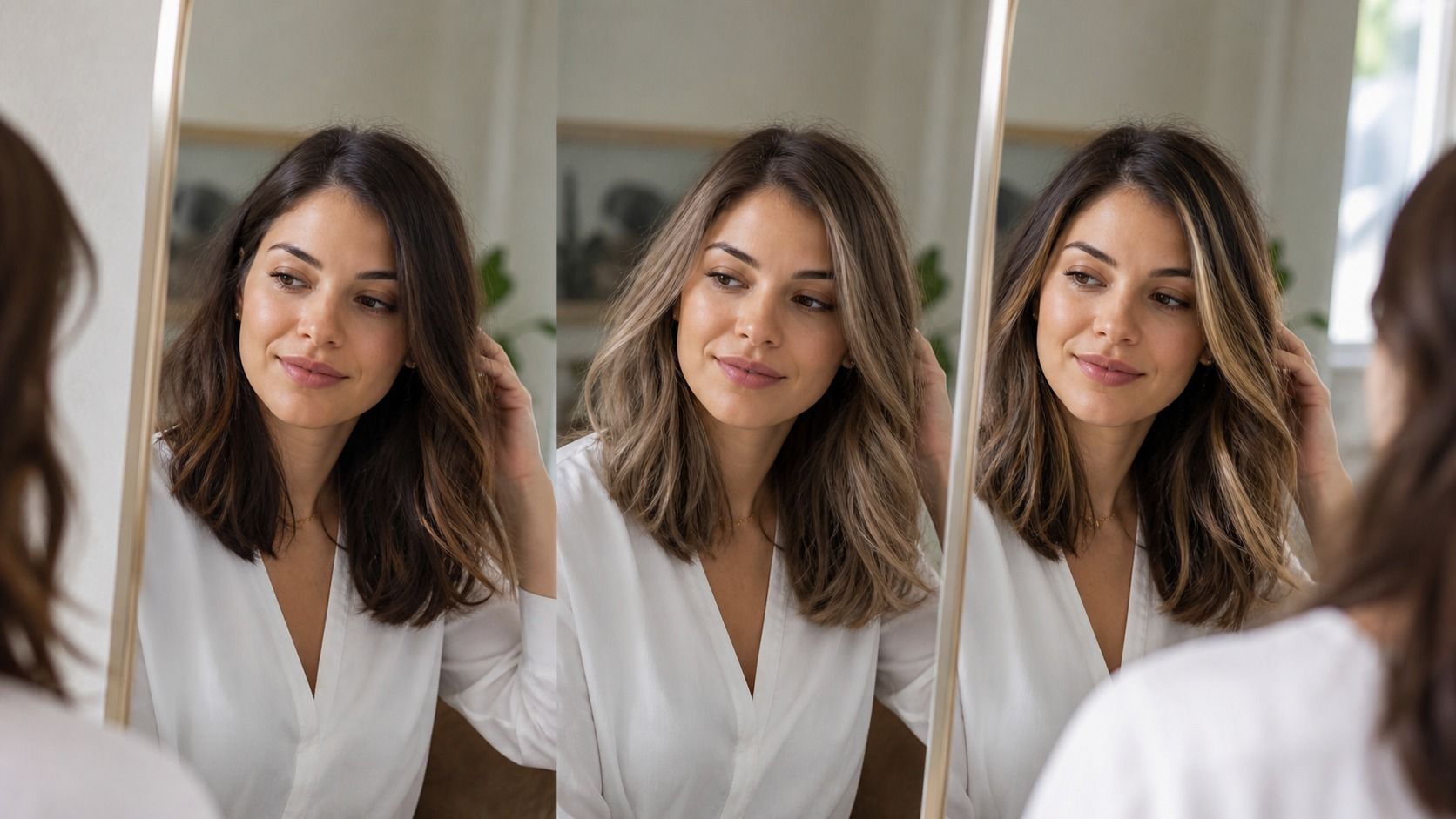
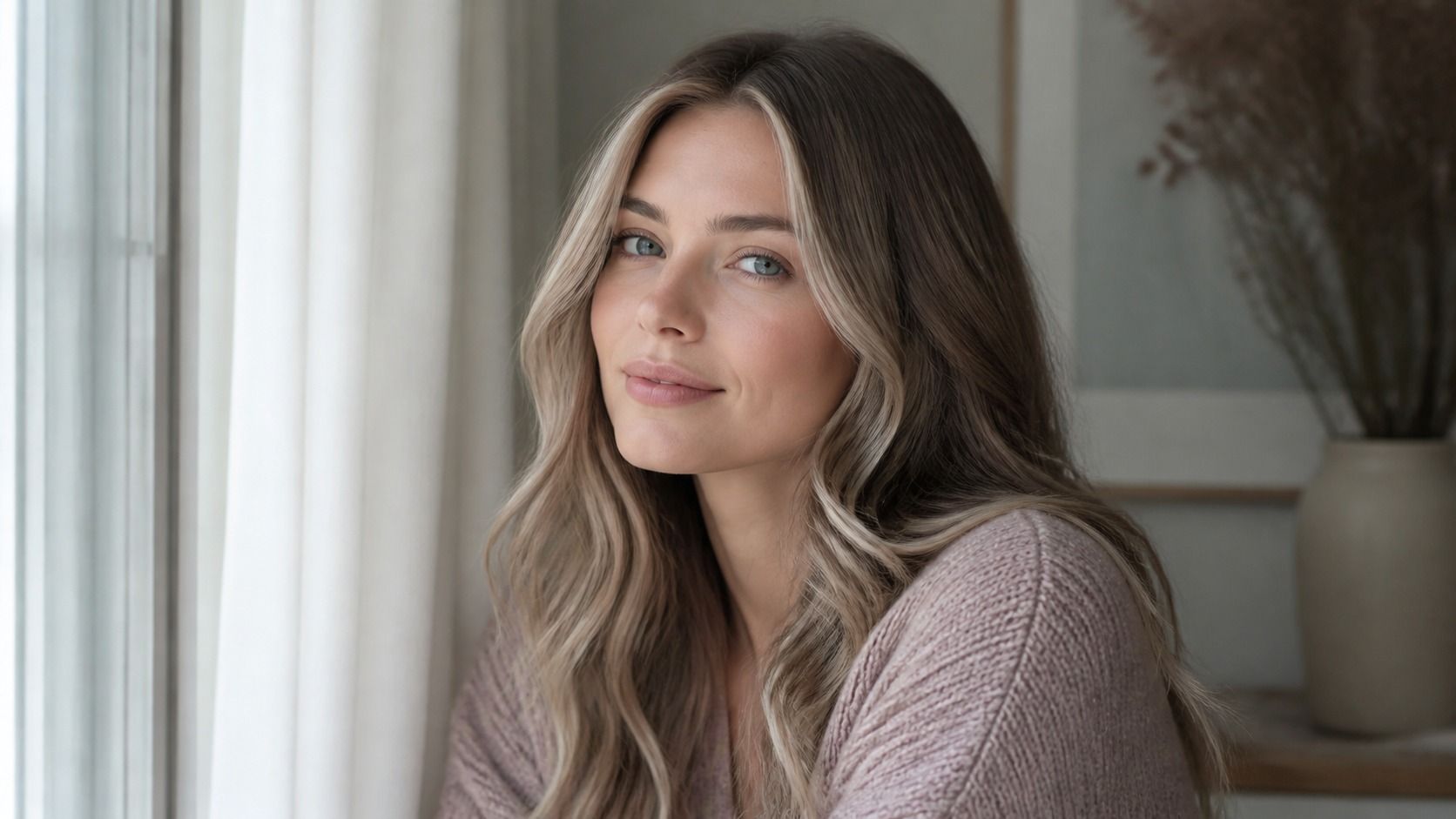
Mushroom brown is often the best hair color for Soft Summer when natural hair is medium brown, when the face has soft grey, blue, hazel, or blue-green eyes, and when the wearer wants a change that still looks plausible at the roots. It has brown, taupe, and a faint grey-beige quality. In good daylight it looks dimensional; under a warm restaurant light it still reads as brown rather than as a deliberate ash statement.
The salon detail that matters is variation. Ask for a base that stays close to your own regrowth, then subtle lowlights or fine lighter ribbons through the length. A completely opaque cool brown can look like a wig, particularly if your hair is naturally fine. The best version has a little unevenness, the way natural hair collects different tones around the nape, crown, and older ends.
Mushroom brown may disappoint someone who wants their colour change noticed immediately from across a room. It is a quiet improvement. If you need brighter hair near the face, add a narrow cool-beige face frame and stop before it turns into a blocky money piece. The contrast should feel like a window opened, not a spotlight switched on.
When a cool beige blonde makes sense
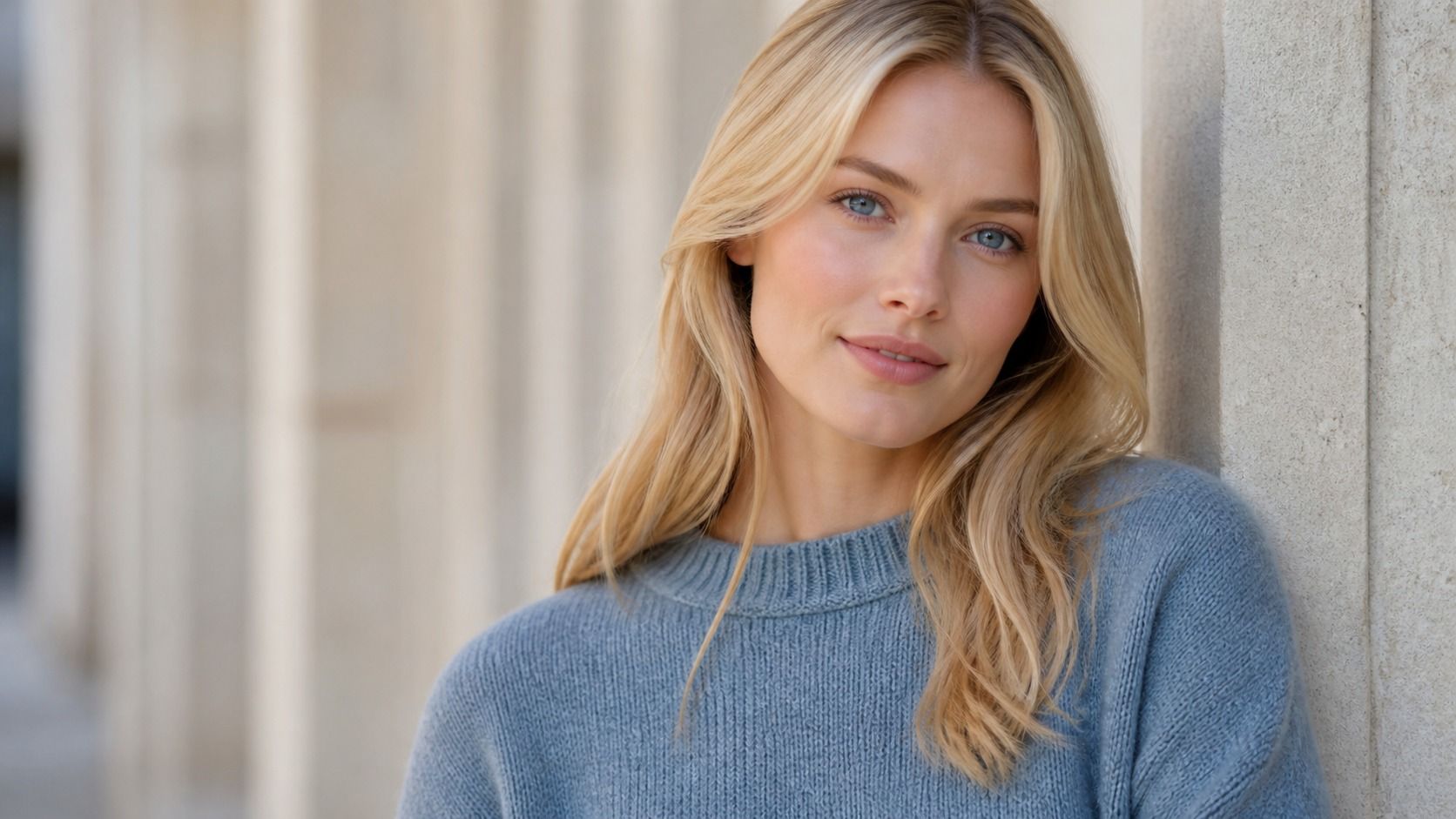
Cool beige blonde works well for Soft Summer people whose starting point is dark blonde or light brown and who already have some natural softness around the face. It gives more lift than mushroom brown, but it keeps enough beige and shadow to avoid the hard edge of platinum. A virtual try-on can help here: place cool beige beside your natural colour in the same photo, then look at the jawline and eyes instead of the hair itself.
Babylights with a soft root melt are usually easier to maintain than an all-over blonde. The root makes the grow-out look intentional, while the small highlights prevent the length from turning into one pale sheet. If your hair is very porous, remember that the ends may go lighter and more yellow than the mids. A toner can soften this, but it needs refreshing; it is not permanent paint over a warm canvas.
A cool beige blonde is a poor bargain if it requires lifting very dark, previously coloured hair beyond what it can comfortably handle. Fragile pale ends do not look soft. They look dry, and no seasonal palette fixes that. In that case, a darker beige or bronde result may be the smarter first appointment.
How muted red-brown can work without turning orange
Muted auburn can suit Soft Summer when it is brown-led and rose or berry toned, not bright copper. The difference is easier to see outdoors than in a salon mirror. Copper flashes yellow-orange in sunlight; a softer red-brown keeps a cooler, dustier cast even when it catches the light. It can be a lovely option for someone whose natural brown feels too heavy but who does not want to become blonde.
There is a maintenance cost to this choice. Red molecules fade, and warm underlying pigment often becomes more obvious after several washes. A colour-depositing conditioner or regular gloss may be worth it if you enjoy the tone, but be honest about your patience. If you want to wash, air-dry, and forget about it for three months, mushroom brown is normally easier.
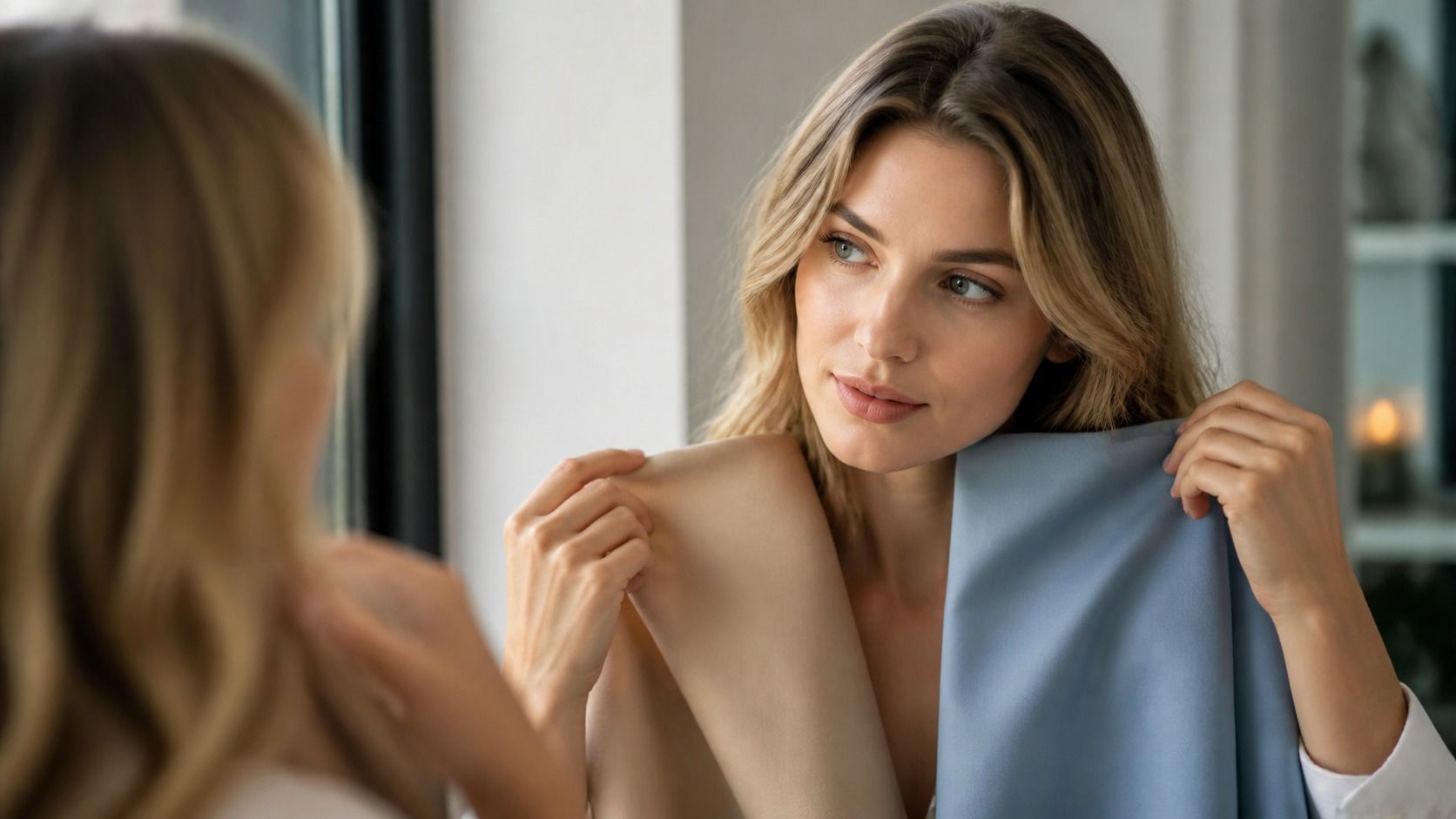
Ask to see a swatch against your skin rather than judging it next to a perfect salon curl. The red should make the skin look clearer, not draw attention to redness around the nose or cheeks. That small test is more valuable than a romantic name on a colour chart.
Use contrast to choose between subtle and visible change
| What you notice in your face | A sensible colour direction | What to avoid first |
|---|---|---|
| Brows and eyes are soft, natural hair is dark blonde | Dark ash blonde or beige babylights | Very white front pieces |
| Medium brown hair, moderate eye contrast | Mushroom brown with fine dimension | Blue-black or a flat one-process dark brown |
| Brown hair feels severe, skin takes cool pink well | Muted rose brown or restrained auburn glaze | Bright copper and tomato red |
| Natural hair is already light and cool | Pearl-beige blonde with depth at the root | Yellow gold highlights |
Contrast is the part people skip because it is less glamorous than choosing a shade name. Yet it explains why a colour can be technically cool and still look wrong. If the new hair colour is much lighter, darker, or clearer than your eyes and brows, it may overpower features that have a naturally blurred quality. A smaller change in depth often gives the cleaner result.
Take a plain photo in open shade before and after any virtual comparison. Turn off smoothing and use the same expression. Look first at the mouth and under-eye area. If these disappear when the hair becomes lighter, the shade may be too high contrast. If the skin turns sallow beside a brown, it may be too warm or too dense.
Give the salon a decision, not a colour name
Colour names travel badly between brands and salons. “Ash beige” in one book can look almost silver in another, while “cool brown” may hide a red base. Describe the finish you want: a medium natural-looking brown with soft taupe dimension; a dark blonde that stays beige rather than yellow; a red-brown that looks smoky instead of copper. Then show one or two photos for texture and placement.
It helps to say what you do not want as well. You might like brightness near the face but not a stripe, or want cooler brown without going grey. Mention how often you expect to return. The best hair color for Soft Summer is not a universal winner; it is the one whose depth, maintenance, and contrast fit your actual life when the salon lighting is gone.