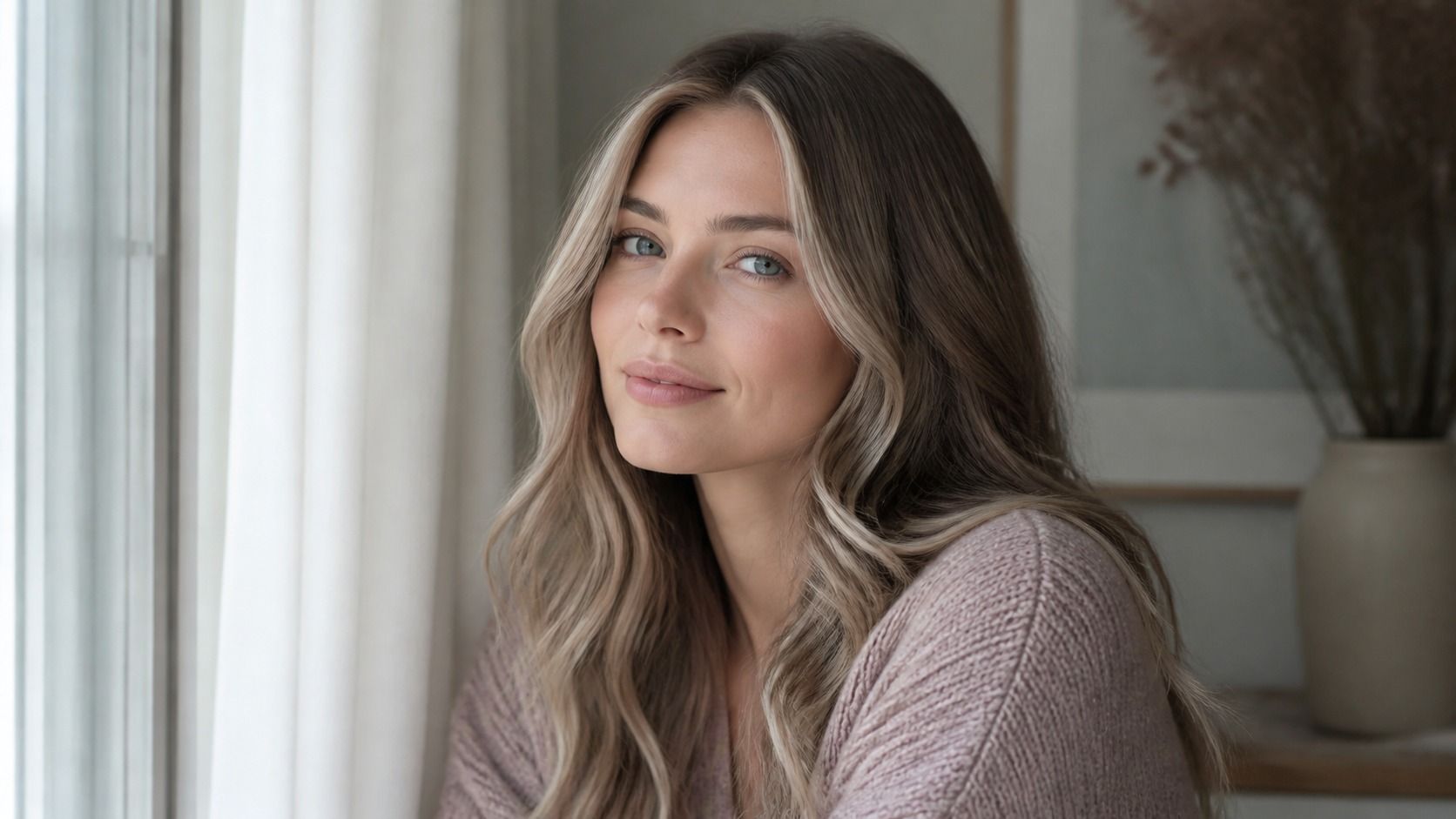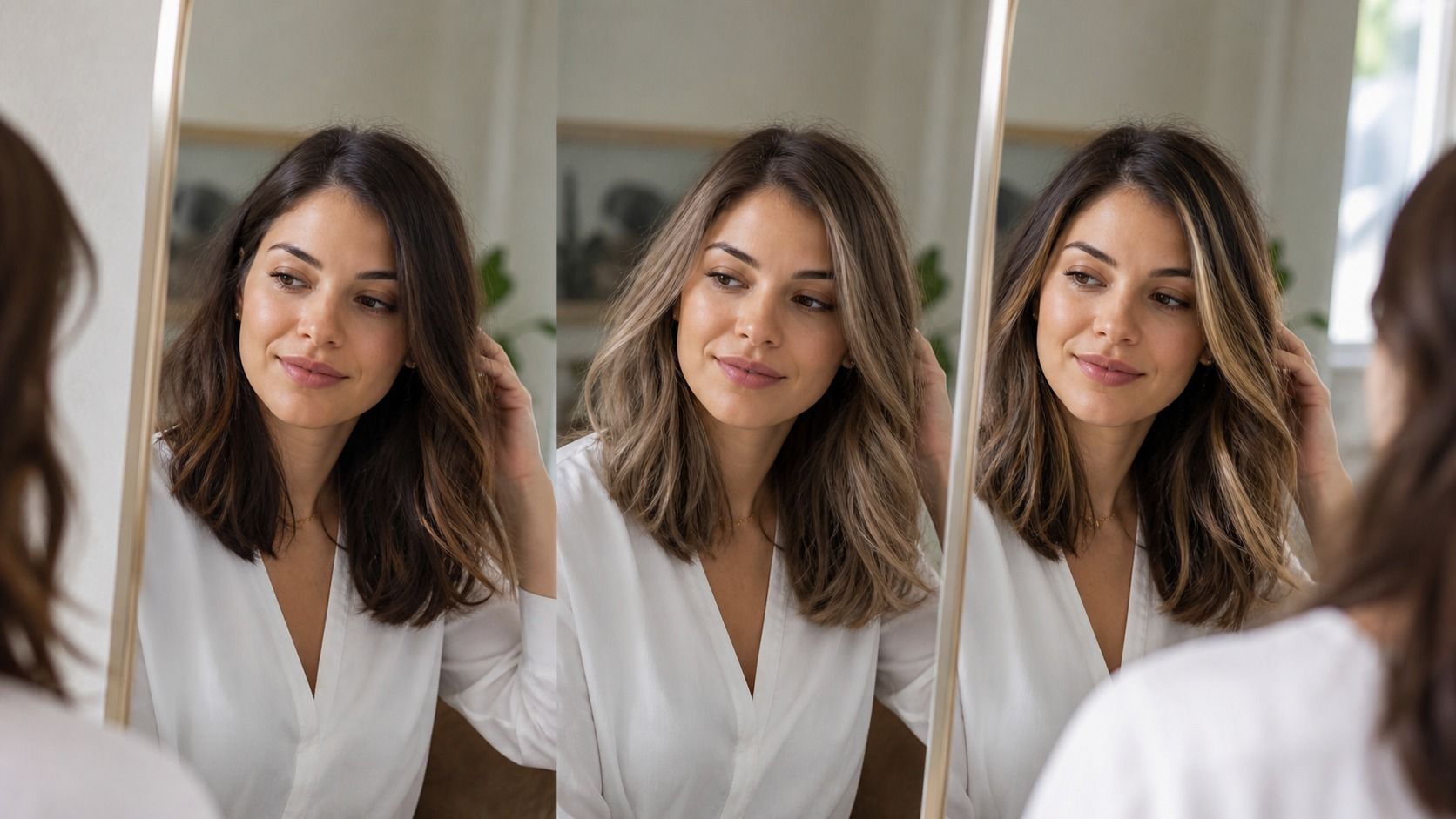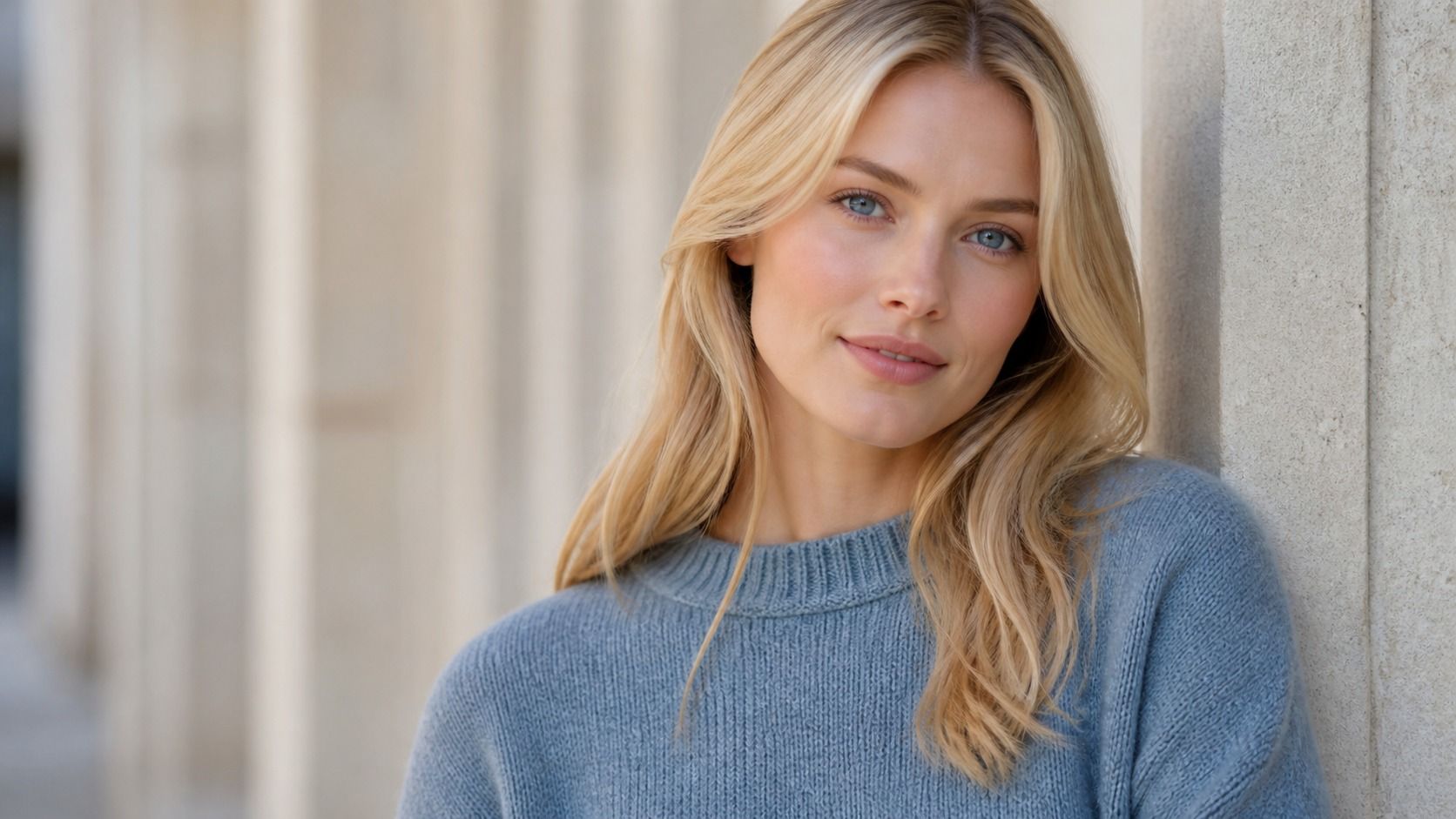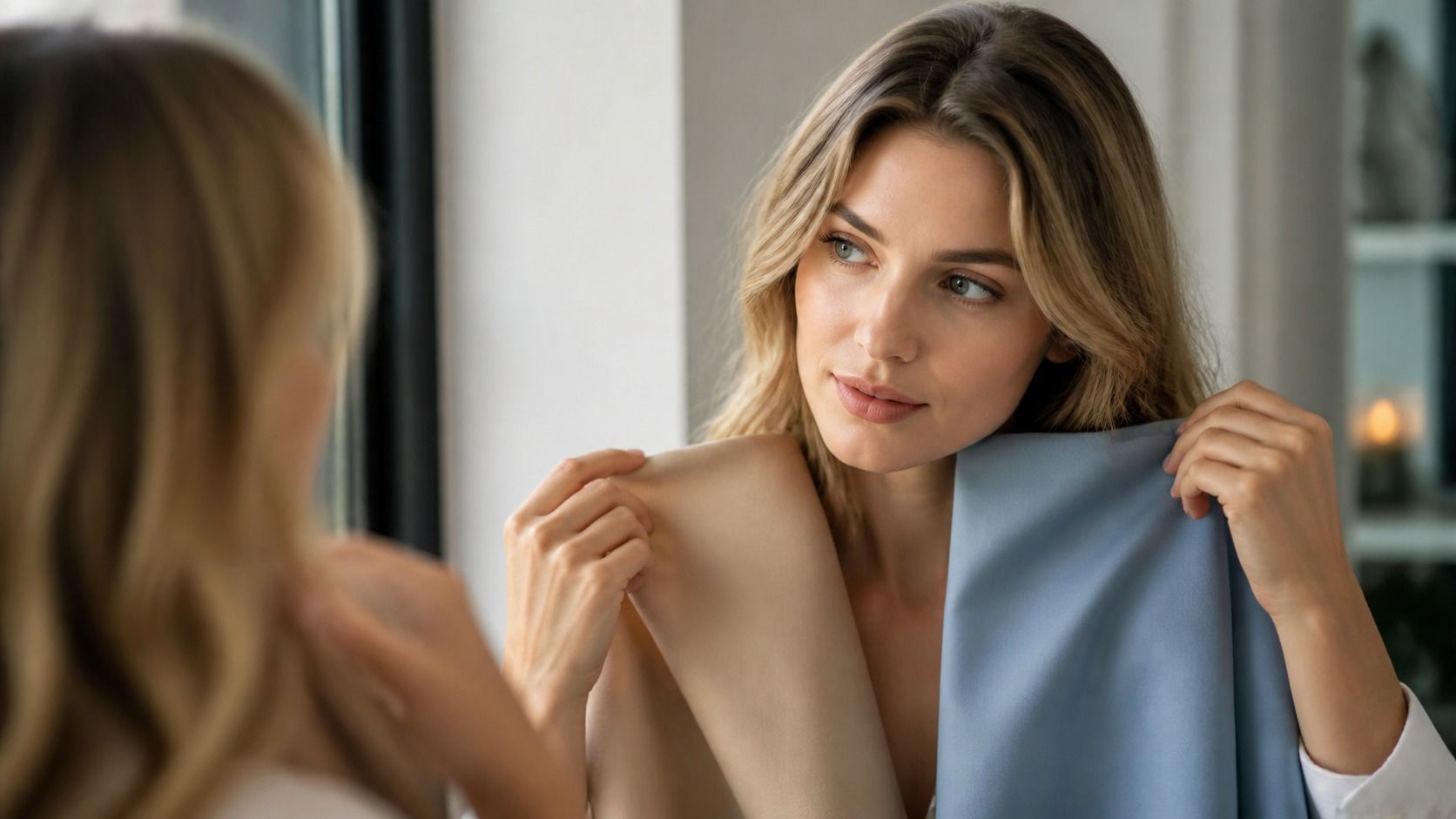
A hair colour can be technically beautiful and still make its wearer look oddly tired. That is the frustrating part of choosing from salon photos. Color analysis hair is less about finding one ordained shade than noticing what happens around your face when temperature, depth and softness change. A little patience before the appointment usually saves more regret than another hour of scrolling.
Start with the face, not the colour wheel
Most people begin with a colour name: caramel, espresso, copper, icy blonde. I would begin with a bare-faced photo taken near a window, preferably on an overcast morning when hard sun is not turning every cheek golden. Pull the hair away from the face, then look at the brows, the shadow below the eyes, and the natural colour at the roots. Those details do more work than a celebrity reference saved under bad bathroom lighting.
Settle temperature before chasing a trend
Warm versus cool is the first fork in the road because it sits closest to the face. Compare two modest swatches rather than the loudest examples: a soft beige blonde against a pale ash blonde, or chestnut against medium ash brown. Hold them beside the jaw in daylight. If one swatch makes the skin seem uneven or throws a yellow cast across the teeth, put it aside even if it is having a moment online.
Temperature is not a switch with only two positions. Plenty of natural hair lives in the middle: brown that looks warm at the ends and neutral at the roots, dark blonde with faint gold but no real orange. A cool-neutral choice is often safer for someone who dislikes obvious warmth, while a neutral-warm brown can feel kinder than pure ash on olive skin. The useful test is repeatable. Take the same photo with each reference near your face, then look again the next day when you are not trying to persuade yourself.
Choose a depth your features can carry
Depth means how light or dark the overall hair looks beside your skin, brows and eyes. It has a dramatic effect even when the undertone barely changes. Going from medium brown to near-black can sharpen the outline of the face, which some people love. It can also make a light complexion look washed out unless the brows and makeup carry comparable definition. At the other end, lifting naturally dark hair to a very light blonde can erase the frame supplied by the roots.
| What you see in a daylight photo | A sensible first adjustment | What to watch for |
|---|---|---|
| Brows and eyes are much darker than the proposed blonde | Keep a deeper root or choose dark blonde instead | A flat, floating effect around the forehead |
| The proposed brown makes under-eye shadows obvious | Move one level lighter or soften the face frame | Extra contrast can read as fatigue |
| Skin and features are already high contrast | A deeper shade may work without dramatic highlights | Warm red or gold can still clash with undertone |
| Natural colouring is low contrast | Use close shades and gentle dimension | Near-black or platinum may dominate the face |
The table is not a set of rules. It is a way to avoid a common salon surprise: liking a shade in isolation and disliking the total contrast once it is on your own head. If you want a bolder change, a root shadow or a few darker pieces can preserve some of that familiar frame while the new colour settles in.
Notice saturation around the hairline
Saturation is the part people often miss when they say a colour feels “too much.” A clear cherry red, strong honey blonde or ink-black brown can be the right temperature and depth yet still look louder than the face beside it. This matters most in the first inch of hair around the temples and forehead, where there is no distance for the eye to soften the effect.
Compare a vivid version of a colour with a dustier one. For example, place a clean copper beside muted cinnamon, or bright platinum beside smoky beige. If the vivid sample makes the lips look drained and the skin blotchy, choose the quieter direction. Muted does not have to mean dull. Fine ribbons of light, a glossy brunette finish, or a slightly lighter front section can give movement without turning the whole head into a colour sample.
Use brows and eyes as a reality check
Brows are especially revealing because they stay put while the hair changes. A colour far lighter than the brows can work when the brows are softly filled and the root is left deeper; without that connection, the hair may look borrowed. A shade far darker than pale brows creates the opposite problem. Before booking a major lift or darkening service, stand a few feet back from a mirror. Up close, you notice strands. At that distance, you see whether the face still has a believable outline.
Eye colour deserves a quieter reading. Blue or green eyes do not demand cool hair, and brown eyes do not demand warmth. Look instead at the ring around the iris and the specks that appear in daylight. A neutral mushroom brown can make grey-green eyes look clearer. A restrained auburn may bring out warm flecks in hazel eyes. The point is not to force a match. It is to avoid a shade that fights every small natural variation at once.
Make the first change easy to live with
The lowest-risk route is rarely the most dramatic one in a swatch book. Ask for a change that leaves a way back: a few face-framing pieces, a gloss over the existing base, a deeper root with muted lengths, or highlights that begin below the scalp. These options let you test temperature and brightness without rebuilding the whole colour history. They are also easier to judge after the first two washes, when salon styling has stopped doing part of the persuading.
Bring two references to the appointment: one photo for the colour direction and one of yourself in ordinary daylight. Then say what you are trying to avoid. “No strong gold near my face” or “I do not want my brows to disappear” is far more useful than asking for a generic expensive-looking brunette. A free hair color analysis can narrow the options at home, but the final choice should leave room for the condition of your hair, previous dye, and the amount of maintenance you will honestly tolerate.
Give the result a fair test after the salon
Do not decide everything in the salon chair. The mirror is surrounded by bright lights, a cape, and a stylist who knows exactly where to place the brush. Check the colour by a north-facing window, in your car, and on a normal workday when your hair is not freshly curled. Notice whether you reach for heavier makeup, whether a favourite grey top suddenly looks strange, and whether the roots still feel connected to the lengths.
If something feels wrong, name the problem before trying to correct it. Too warm is different from too bright; too dark is different from too saturated. That distinction prevents the classic overcorrection where someone adds ash to fix depth, or goes darker to fix brassiness. Color analysis hair gives you language for the conversation. The useful outcome is not a label. It is a shade choice you can explain, repeat, and live with.