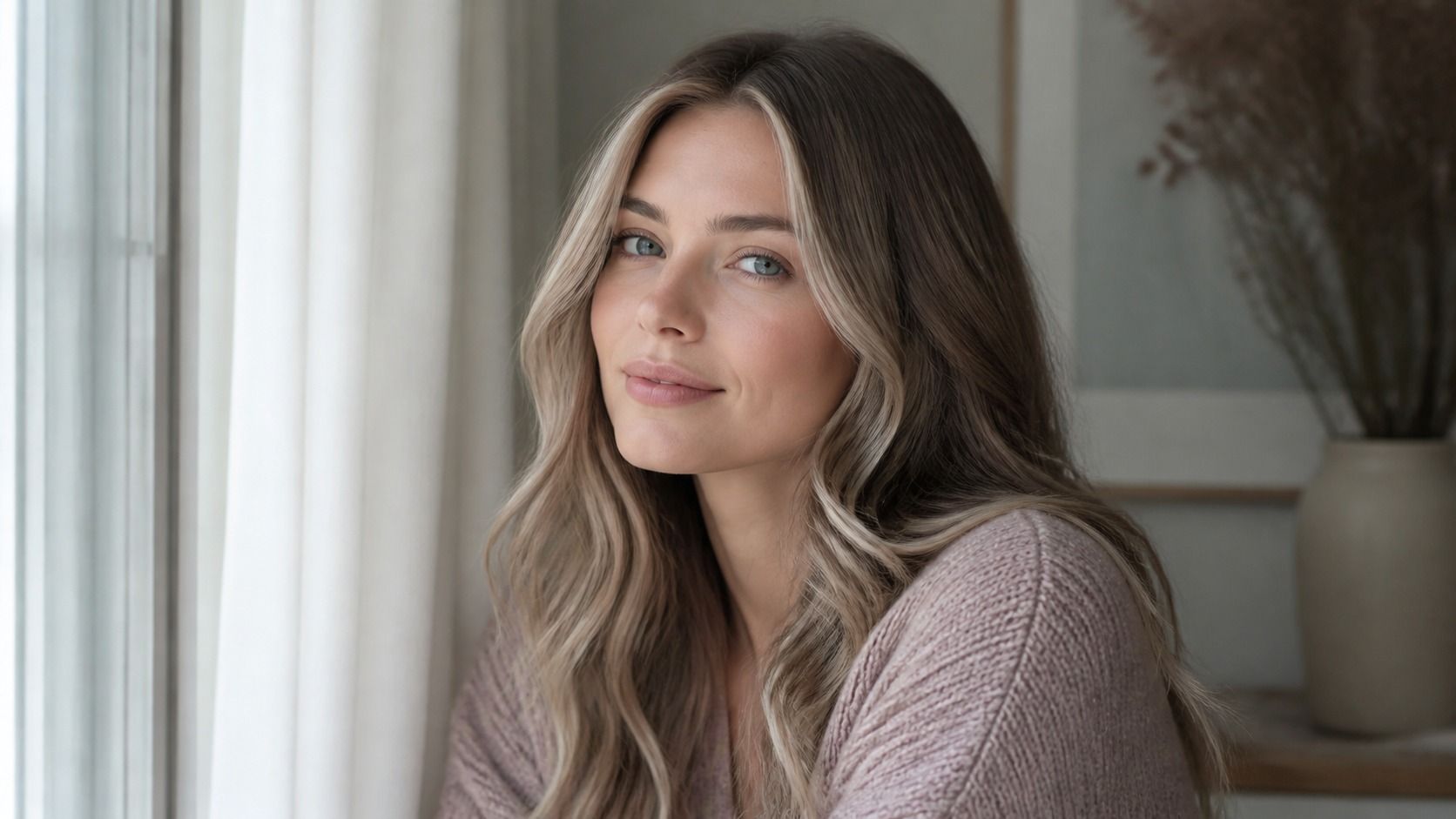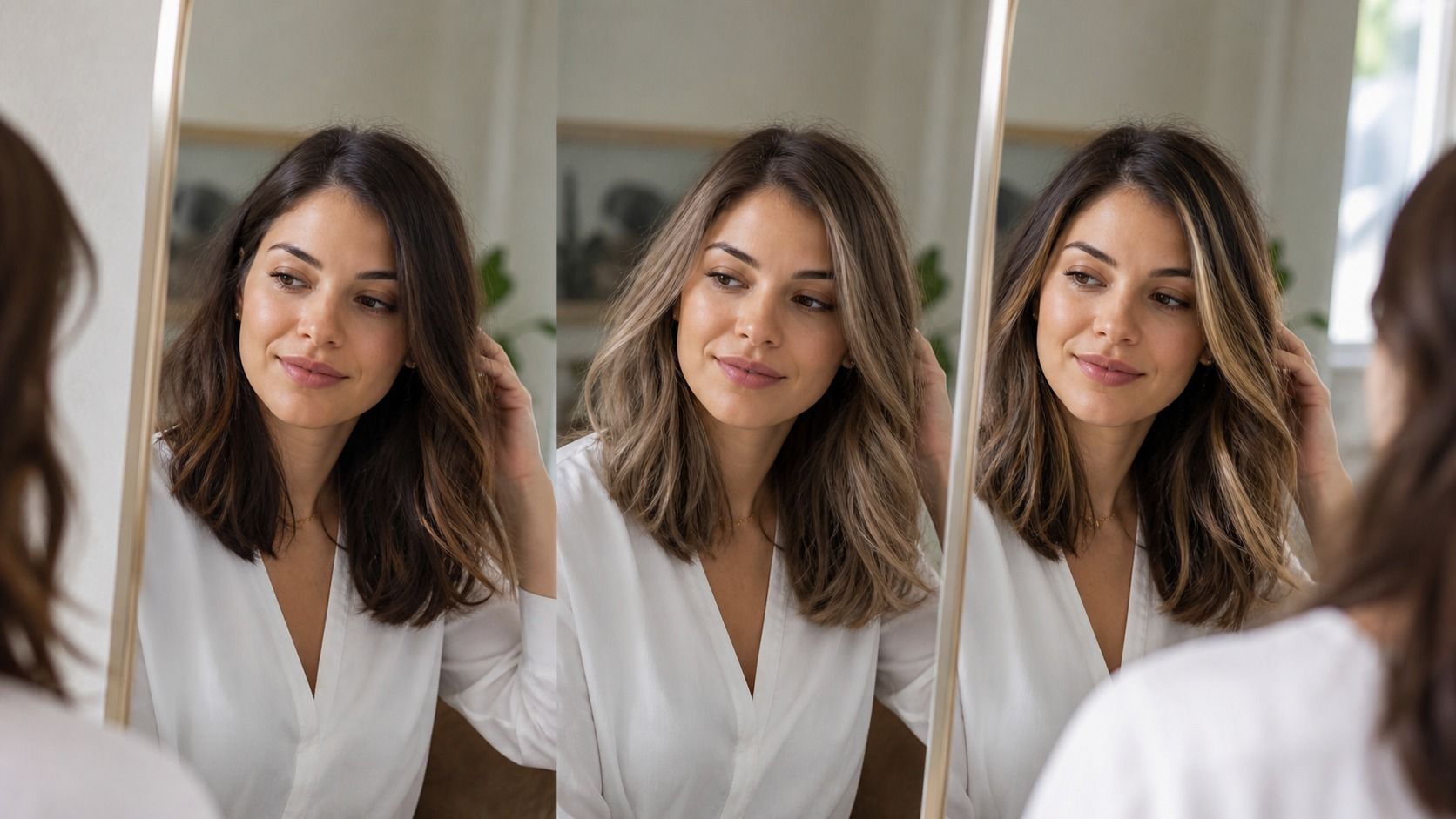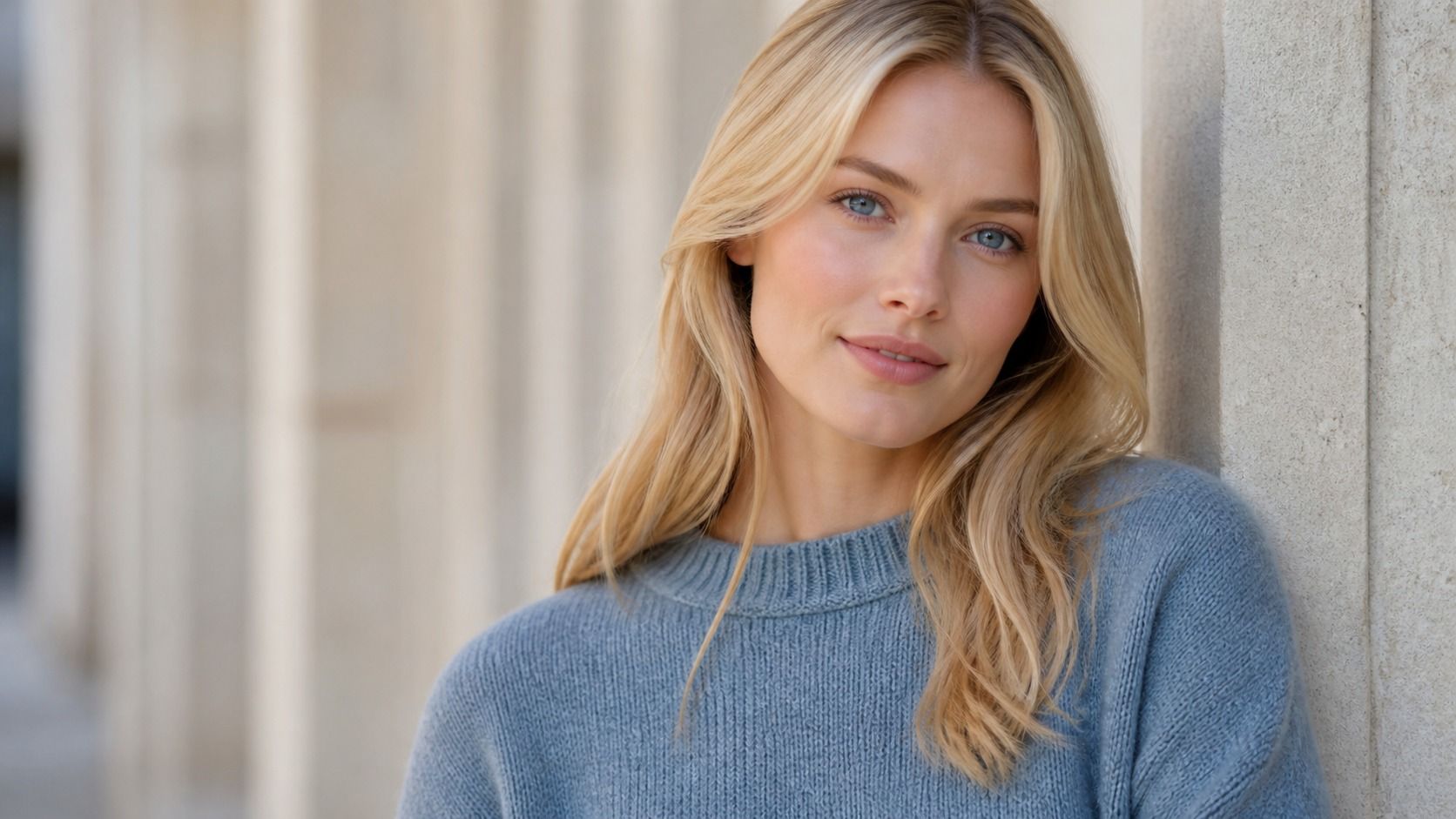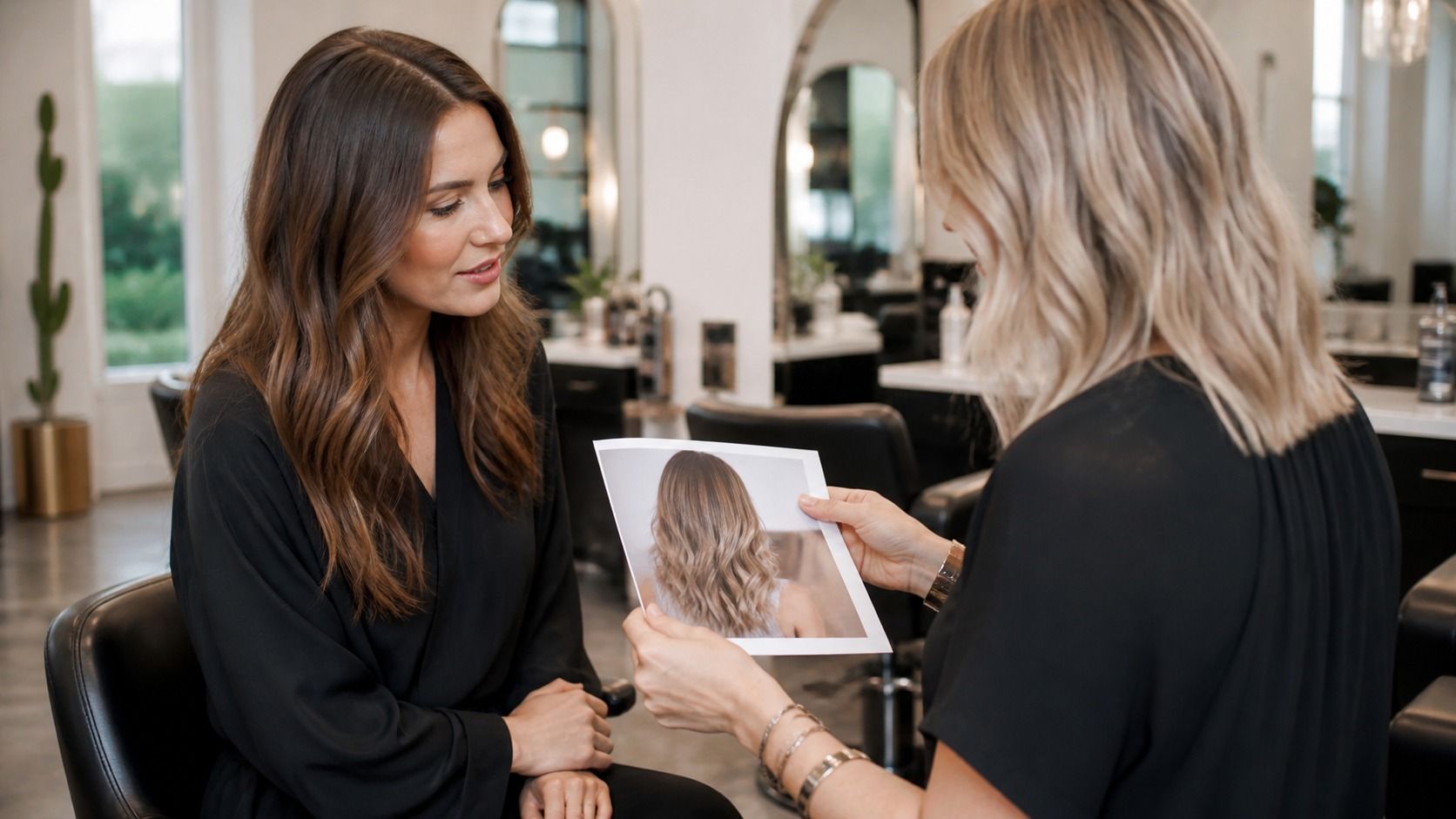
A hair color try on before a salon visit can save a surprisingly awkward ten minutes in the chair. Instead of pointing at a stranger's photo and hoping the word "warm" means the same thing to both of you, you can arrive with a few versions of your own face and a clearer sense of what you are responding to. The preview is a useful rehearsal. It is not a recipe for what goes into the bowl.
Use the preview to narrow the choice, not to pick a formula
Begin with the decision that the screen can help with: direction. Do you want to look softer or sharper? Do you want more depth around the face, or more light near the cheekbones? A virtual hair color try on can make those contrasts visible quickly, especially if you start with a clean, front-facing photo in window light.
Compare warmth before you chase brightness
Brightness grabs attention; warmth often decides whether you keep liking the color after the first week. Test neutral, cool and warm versions at a similar depth before you jump several levels lighter. With medium brown hair, that might mean comparing a neutral mocha, a soft ash brown and a chestnut. The differences look modest until you put them beside your own skin.
Watch the area around the nose, cheeks and mouth. A warm preview can make naturally pink skin look more flushed; an overly cool one can make shadows under the eyes more obvious. That does not mean everyone needs ash. A little gold can look lively, while a heavily orange filter can simply be loud. The useful result is a sentence you can take to the salon: "I like warmth in the lengths, but I do not want it close to copper."
| What you see in the try-on | What to note for the consultation | What the preview cannot settle |
|---|---|---|
| The hair looks too orange | Ask for less visible gold or copper | Which toner or formula will be used |
| A darker shade suits the brows | Say you prefer stronger contrast | How dark the roots will take |
| Light pieces make the face brighter | Ask about face-framing placement | How many sessions are needed |
| The solid color feels severe | Ask whether a softer root or dimension is possible | How prior color affects the result |
Look at the image on a smaller screen or from a few feet away. At that distance, you read the temperature of the hair before you read the fine simulated strands. If the color feels too yellow at that scale, more digital detail will not fix the impression.
Put the hair next to your brows and eyes
Hair does not appear alone in real life. Brows, eye color and the darkness of the lash line set the frame. Keep brows visible in the photo and compare the results in ordinary daylight. A very dark brunette may make light brows feel disconnected. A pale beige blonde may make strong brows look suddenly deliberate. You may like either effect, but it is better to notice it before the appointment.
Try a version with your normal makeup and one without it if makeup is part of your routine. Heavy bronzer or a warm lip can make a cool shade look balanced in a selfie, then the same shade may feel stark on an ordinary weekday. This is not an argument against makeup. It is a check against making a permanent-ish choice for a single evening face.
Pay attention to root shadow too. Many virtual tools paint a uniform color from scalp to ends, while a natural-looking salon result may have a slightly deeper root and brighter mid-lengths. If you like the overall preview but dislike the helmet effect near the scalp, circle that detail in your own mind. It can become an important question about dimension rather than a reason to abandon the shade.
Bring evidence that a stylist can actually use
Take your saved preview images, one unedited daylight photo, and one or two reference photos that show the finish you like. Keep the reference photos for placement or texture, not for copying another person's exact color. Their starting level, density and lighting may have little in common with yours.
Make a short appointment note before you go. Include your natural root color if you know it, any color or bleach in the last two years, whether your ends feel dry, and your tolerance for maintenance. Mention a recent gloss, henna, smoothing treatment or pool-heavy holiday. These details can change the conversation much more than another celebrity screenshot.
Tell the stylist which part of each image you like. Perhaps you prefer the depth in one preview and the face brightness in another. Perhaps you like the color but would rather avoid a visible line when it grows out. Specific likes and dislikes give the consultation somewhere concrete to go.
Ask questions that prevent an expensive surprise
Before the service starts, ask what is realistic in one visit and what would require a second appointment. Ask what warmth might appear on the way to the target, how the result will fade, and what upkeep you should expect at the roots and through the lengths. If you are changing from very dark hair to something much lighter, ask whether a strand test makes sense. It is a sensible check, not a sign that anything has gone wrong.
You can also ask what the stylist would change about the virtual image. A good answer may be less dramatic than the filter: keep more depth at the root, leave some warmth so the color does not go flat, or place brightness only where it can be maintained. That is exactly the sort of correction you want from a professional rather than from an app.
The best virtual hair color try on gives you a vocabulary for that conversation. It helps you spot the temperature, contrast and maintenance level you prefer. Let the salon assessment decide the route from your present hair to that idea. The screen has done its job when it makes the final choice clearer, not when it pretends the difficult parts do not exist.
It also helps to decide what you are willing to compromise on before you sit down. You may prefer the lighter preview but care more about keeping the ends healthy, or like a cool tone while knowing that you do not want frequent toning appointments. Put that priority in your appointment note. A clear sentence such as I want a softer change that grows out quietly gives the stylist more to work with than a single saved filter. If the preview and the practical plan disagree, the plan deserves more weight. Hair has to look workable on an ordinary Tuesday, not only in a carefully lit phone photo.